التصنيفات
مدونة جديدة
أهم 5 مقاييس رئيسية لاختيار آلة وصل الشريط الأوتوماتيكية SMT في عام 2026
Jun 20, 2026
1. جودة الوصل وأداء مرور وحدة التغذية
الهدف الأساسي لأي آلة وصل SMT هو إنشاء وصلة موثوقة يمكنها المرور بسلاسة عبر وحدة التغذية دون التأثير على وضع المكونات. قد يؤدي ضعف جودة الوصل إلى إنذارات في وحدة التغذية، أو فقدان المكونات، أو انقطاع الإنتاج، أو زيادة تدخل المشغل. في خطوط التركيب عالية السرعة، يُعد اتساق الوصل أحد أهم مؤشرات أداء المعدات.
عند تقييم جهاز الوصل التلقائي SMT, الدقة، وتكرار الوصل، وأداء مرور وحدة التغذية في ظروف الإنتاج الفعلية.يجب على المصنّعين الانتباه إلى دقة المحاذاة، وقابلية تكرار الوصل، وأداء مرور وحدة التغذية في ظروف الإنتاج الفعلية.
2. توافق الشريط ومرونة المواد
عادةً ما تعمل مصانع SMT الحديثة في بيئات إنتاج متعددة الأنواع تتضمن عروض شرائط وتنسيقات تغليف متنوعة. يجب أن تدعم آلة الوصل التلقائي SMT الفعّالة أحجام شرائط متعددة مع الحفاظ على جودة وصل ثابتة. يتيح التوافق الأوسع للمصنّعين توحيد عمليات الوصل عبر خطوط إنتاج مختلفة مع تقليل تكاليف الاستثمار في المعدات.
تشمل معايير التقييم الشائعة عروض الشرائط المدعومة، وتوافق مواد الشريط، والقدرة على التعامل مع أنواع مختلفة من تغليف المكونات.
3. قدرة التموضع بمساعدة الرؤية
يعتمد الوصل اليدوي التقليدي بشكل كبير على خبرة المشغل. وغالبًا ما تؤدي اختلافات مستويات المهارة إلى تباين في جودة الوصل ودقة التموضع. للتغلب على هذا التحدي، تدمج العديد من آلات الوصل التلقائي الحديثة تقنيات رؤية ذكية. تساعد أنظمة التموضع بمساعدة الرؤية على تحسين دقة المحاذاة وتقليل تأثير العامل البشري أثناء عملية الوصل.
بالنسبة للمصنّعين الذين يسعون إلى مزيد من الاتساق في الإنتاج، أصبحت الوصل القائمة على الرؤية معيارًا مهمًا بشكل متزايد للتقييم.
4. مستوى الأتمتة والكفاءة التشغيلية
إلى جانب ربط الأشرطة الأساسي، غالبًا ما تتضمن حلول آلة الوصل SMT الحديثة ميزات أتمتة إضافية مصممة لتبسيط سير عمل الإنتاج. يمكن لوظائف مثل اكتشاف الشريط تلقائيًا، والقطع التلقائي، وإرشادات التشغيل، والتحكم الذكي في العملية أن تساعد في تقليل المهام اليدوية المتكررة مع تحسين الكفاءة التشغيلية.
كلما ارتفع مستوى الأتمتة، أصبح من الأسهل توحيد عمليات الوصل عبر مختلف الورديات والمشغلين.
5. اتصال نظام إدارة التصنيع (MES) وجاهزية التصنيع الرقمي
مع تسارع مبادرات المصانع الذكية، أصبح الاتصال بين المعدات عاملاً رئيسيًا في قرارات الشراء. يتوقع العديد من المصنّعين الآن أن تدعم آلة الوصل التلقائي SMT التكامل مع أنظمة تنفيذ التصنيع (MES)، مما يتيح تتبع الإنتاج، ومراقبة العمليات، وجمع البيانات.
توفر المعدات القادرة على دعم استراتيجيات التصنيع الرقمي قيمة أكبر على المدى الطويل مع استمرار تحول المصانع نحو الصناعة 4.0.
كيف يؤدي جهاز YOUNGPOOL L-900 مقارنة بهذه المعايير؟
بعد فهم المقاييس الخمسة الرئيسية أعلاه، يصبح السؤال التالي: ماذا يجب أن يبحث عنه المصنعون في آلة فعلية؟
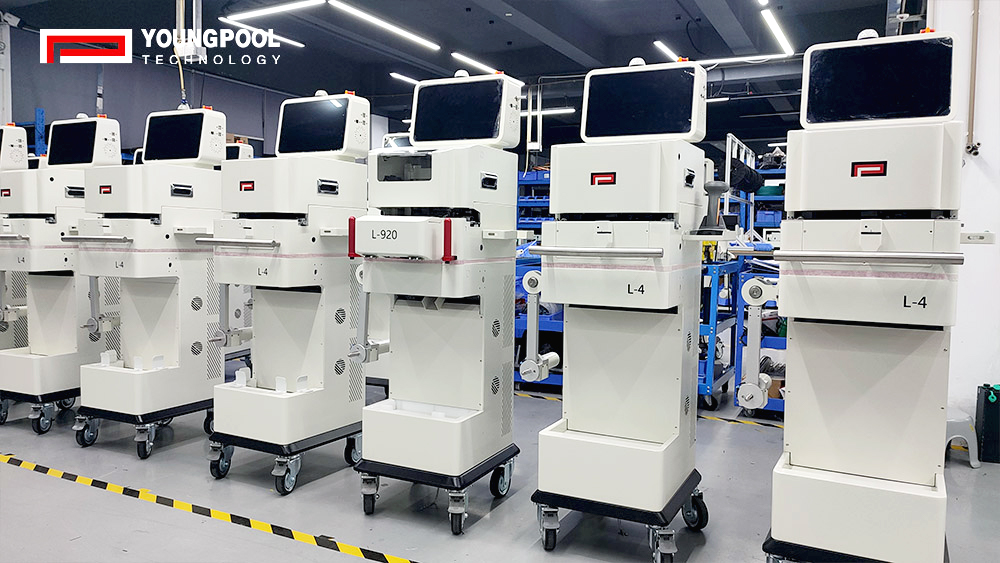
تم تطوير YOUNGPOOL آلة الوصل التلقائي L-900 خصيصًا لمعالجة التحديات التشغيلية التي تواجه خطوط إنتاج SMT الحديثة. ويتماشى تصميمها بشكل وثيق مع معايير التقييم المذكورة أعلاه.
مصممة لأنواع متعددة من المواد
لتلبية احتياجات بيئات إنتاج SMT متعددة الأنواع، يدعم جهاز L-900 شرائط ناقلة بعرض 8 مم و12 مم و16 مم و24 مم، وهو متوافق مع الشرائط الورقية والبلاستيكية المنقوشة.يتيح هذا التوافق الواسع للمصنّعين استخدام آلة وصل تلقائي SMT واحدة عبر مجموعة واسعة من حزم المكونات، مما يقلل التعقيد التشغيلي ويحسن استغلال المعدات.
نظام رؤية ذكي للتموضع الدقيق
تتمثل إحدى المزايا الرئيسية لجهاز L-900 في نظام الرؤية الذكي الخاص به. من خلال المساعدة في التعرف على الشريط والتموضع أثناء عملية الوصل، يساعد النظام على تحسين دقة المحاذاة وتقليل التباينات الناتجة عن الحكم البصري اليدوي. بالنسبة للمصنّعين الذين يسعون إلى أداء أكثر استقرارًا لمرور وحدة التغذية، يمكن للتموضع بمساعدة الرؤية أن يلعب دورًا مهمًا في تحسين اتساق الوصل.
أتمتة محسّنة للعمليات اليومية
تم تجهيز جهاز L-900 بوظائف اكتشاف الشريط الفارغ تلقائيًا والقطع التلقائي، مما يساعد المشغلين على تبسيط إجراءات الوصل الروتينية. من خلال تقليل المهام اليدوية المتكررة، يدعم الجهاز عمليات إنتاج أكثر توحيدًا ويساعد على تحسين الكفاءة أثناء عمليات تبديل البكرات المتكررة. ويُعد هذا مفيدًا بشكل خاص للمصانع التي تدير عدة خطوط SMT أو كميات إنتاج عالية.
جاهز للتصنيع الذكي
مع تزايد أهمية التصنيع الرقمي، يدعم جهاز L-900 التكامل مع نظام MES، مما يسمح بدمج معلومات الوصل ضمن نظام إدارة البيانات الأوسع في المصنع. تتيح هذه القدرة للمصنّعين تحسين تتبع الإنتاج، وتبسيط مراقبة العمليات، ودعم مبادرات المصانع الذكية المستقبلية.
مصمم لإنتاج SMT الحديث
يواجه مصنعو SMT اليوم طلبات متزايدة على تقليل أوقات التسليم، وزيادة تنوع المنتجات، ورفع مرونة الإنتاج. تم تطوير جهاز L-900 مع وضع هذه التحديات في الاعتبار، حيث يجمع بين توافق المواد، وتقنية الرؤية الذكية، ووظائف الأتمتة، واتصال MES ضمن منصة واحدة. بدلاً من التركيز على ميزة واحدة فقط، تم تصميم الجهاز لتقديم حل متوازن يعالج المتطلبات العملية لبيئات إنتاج SMT الحديثة.
اختيار الصحيح آلة الوصل التلقائي SMT يتطلب أكثر من مجرد مقارنة المواصفات أو أسعار الشراء. يجب على المصنعين تقييم المعدات بناءً على جودة الوصل، وتوافق الشريط اللاصق، ودقة التمركز، وقدرات الأتمتة، وإمكانات التكامل الرقمي.
مع استمرار تطور متطلبات الإنتاج، ستلعب هذه العوامل دورًا متزايد الأهمية في الحفاظ على الكفاءة واستقرار الإنتاج.بالنسبة للمصنعين الذين يسعون إلى حل وصل ذكي يتماشى مع هذه المتطلبات الأساسية، فإن YOUNGPOOL L-900 Automatic آلة الوصلتوفر خيارًا عمليًا لتحسين كفاءة الربطالكفاءة، ودعم استمرارية الإنتاج، وتعزيز مبادرات التصنيع الرقمي.


 شبكة IPv6 مدعومة