آلة الوصل الأوتوماتيكية من Youngpool | لماذا تعتمد المزيد والمزيد من مصانع SMT آلات الوصل الأوتوماتيكية للأشرطة؟
Jul 20, 2026مع استمرار تطور المنتجات الإلكترونية بوتيرة متسارعة بشكل متزايد، أصبح التصنيع عالي التنوع ومنخفض الكمية (HMLV) هو المعيار السائد في الصناعة. تحدث عمليات تغيير المنتجات بشكل أكثر تكرارًا، وتستمر أرقام أجزاء المكونات في الازدياد، كما تنفذ خطوط إنتاج SMT عمليات وصل الأشرطة بشكل أكثر بكثير من أي وقت مضى. أصبحت مهمة كانت تبدو في السابق غير مهمة عاملًا حاسمًا يؤثر في كفاءة الإنتاج وجودة المنتج وإدارة أرضية المصنع من خلال التنفيذ المتكرر.
بالنسبة لخطوط إنتاج SMT الحالية، لم يعد وصل الأشرطة مجرد عملية ربط بكرتي مكونات. بل أصبح عملية أساسية تؤثر بشكل مباشر في قدرة خط الإنتاج بالكامل على العمل بشكل مستمر وموثوق.
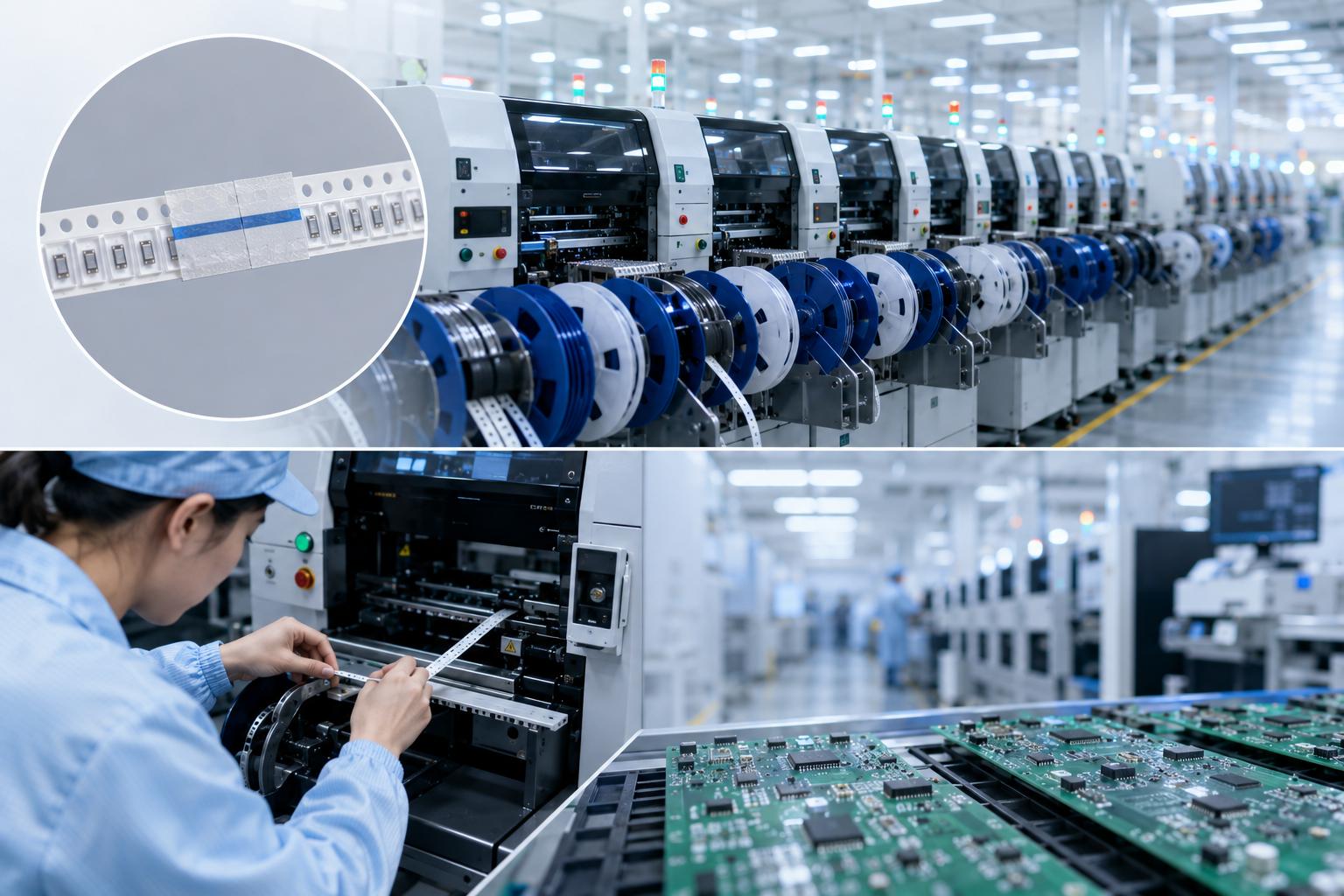
ما يؤثر فعليًا في الإنتاج ليس عملية الوصل—بل جودة الوصلة
عند تقييم آلة وصل الأشرطة الأوتوماتيكية، فإن أحد الأسئلة الأولى التي يطرحها العديد من المصنعين هو: "كم عدد الثواني اللازمة لإكمال وصلة واحدة؟"في الواقع، بالنسبة لمديري الإنتاج، تعد جودة الوصلات المتسقة أهم بكثير من سرعة الوصل.
يمكن لوصل الأشرطة يدويًا تلبية متطلبات الإنتاج بالتأكيد، لكن جودة كل وصلة تعتمد بشكل كبير على خبرة المشغل. قد تؤدي الاختلافات في عادات التشغيل، وتحديد موضع شريط الوصل، وقوة الضغط إلى حدوث تفاوتات. وبينما قد تكون هذه التباينات ضئيلة في عملية واحدة، فإنها تصبح أكثر أهمية عند تنفيذ مئات الوصلات يوميًا.
قد تمنع مواضع الوصل غير المتحاذية، أو دقة وضع الشريط غير الكافية، أو قوة الربط غير المتسقة وحدات التغذية من نقل الشريط بسلاسة، مما يؤدي إلى توقفات الإنتاج وإعادة الوصل وحتى مشكلات جودة الوضع في المراحل اللاحقة. مع ازدياد شيوع المكونات فائقة الصغر مثل حزم 01005 ولوحات الدوائر المطبوعة عالية الكثافة، تستمر متطلبات دقة واتساق الوصل في الارتفاع.
في الوقت نفسه، يعمل المزيد من المصنعين على تسريع التحول الرقمي والإنتاج المعياري، بهدف تقليل اختلافات العمليات الناتجة عن العوامل البشرية مع تحسين اتساق المنتجات وإمكانية تتبع التصنيع.
في ظل هذا السياق، لم يعد وصل الأشرطة مجرد مهمة تشغيلية—بل أصبح نقطة مهمة لمراقبة الجودة ضمن عملية الإنتاج. لهذا السبب، يستثمر المصنعون في آلات وصل الأشرطة الأوتوماتيكية ليس فقط لتوفير بضع ثوانٍ لكل وصلة، بل لضمان إكمال كل وصلة بشكل متسق ووفقًا للإجراءات المعيارية.
تكمن القيمة الحقيقية لوصل الأشرطة الأوتوماتيكي في تحويل الخبرة البشرية إلى عمليات موحدة
الأتمتة الحقيقية لا تتعلق أبدًا بمجرد استبدال العمل اليدوي—بل بجعل الإنتاج أكثر استقرارًا.في وصل الأشرطة، تضمن الأتمتة اتباع كل وصلة لسير عمل موحد. وبغض النظر عن المشغل الذي يستخدم الآلة، يتم تنفيذ تحديد الموضع والفحص والضغط الساخن وتطبيق شريط الوصل وفقًا لمعايير عملية متطابقة. وهذا يقلل من الاختلافات المعتمدة على المشغل، ويحسن اتساق الوصلات، ويخفض تقلبات الإنتاج.
في الوقت نفسه، تدمج آلات وصل الأشرطة الأوتوماتيكية الفحص ومنع الأخطاء وإدارة البيانات في عملية الوصل بأكملها، مما يحول وصل الأشرطة من عملية قائمة على الخبرة إلى عملية تصنيع موحدة ورقمية.
لذلك، عند اختيار آلة وصل أشرطة أوتوماتيكية، ينبغي على المصنعين التركيز ليس على عدد الميزات التي توفرها الآلة، بل على ما إذا كانت هذه الميزات تعالج تحديات الإنتاج الحقيقية بفعالية.
ما القدرات التي يجب أن تمتلكها آلة وصل الأشرطة الأوتوماتيكية عالية الجودة؟
1. توافق واسع
تتطلب المنتجات المختلفة مواصفات مختلفة لأشرطة الحامل. يعمل المصنعون عادةً مع عروض متعددة للأشرطة—بما في ذلك 8 مم و12 مم و16 مم و24 مم—بالإضافة إلى أشرطة الحامل الورقية وأشرطة الحامل البلاستيكية المشكلة.إذا كانت الآلة تدعم أنواعًا محدودة فقط من الأشرطة، فيجب على المشغلين ضبط المعدات بشكل متكرر أو حتى استبدالها، مما يزيد من التعقيد التشغيلي ويقلل من استمرارية الإنتاج.
2. منع شامل للأخطاء
مع استمرار المنتجات الإلكترونية في أن تصبح أصغر وأكثر دقة، لم يعد التعرف اليدوي على المواد وحده كافيًا لمراقبة الجودة.يساعد دمج الرؤية الآلية والتحقق من قيمة المكونات وتقنيات منع الأخطاء الأخرى في عملية وصل الأشرطة على تقليل مخاطر دخول مواد غير صحيحة إلى الإنتاج، مما يتيح اكتشاف المشكلات المحتملة قبل وصولها إلى خط التجميع.
3. الاستقرار التشغيلي طويل الأمد
بالنسبة لمصنعي SMT، يجب ألا تقتصر وظيفة آلة وصل الأشرطة على إكمال عمليات الوصل الفردية—يجب أن تقدم باستمرار جودة وصل موثوقة أثناء الإنتاج المتواصل.يقلل التشغيل المستقر من فترات التوقف غير المتوقعة، ويحسن معدلات مرور وحدات التغذية، ويوفر دعمًا موثوقًا لخط إنتاج SMT بالكامل.
فقط عندما تجمع آلة وصل الشريط الأوتوماتيكية بين التوافق الواسع ومنع الأخطاء الفعال والاستقرار طويل الأمد، يمكنها تقديم قيمة حقيقية.
يونغبولتواصل تحسين حلول وصل الشريط الأوتوماتيكية استنادًا إلى احتياجات التصنيع الفعلية
لمعالجة الطلب المتزايد على وصل الشريط الموحد والذكي في تصنيع SMT، طورت شركة يونغبول للتكنولوجيا بشكل مستقل L-900 آلة وصل الشريط الأوتوماتيكية متعددة الوظائف، مما يساعد المصنعين على تحسين اتساق الوصل واستقرار العملية بشكل أكبر.
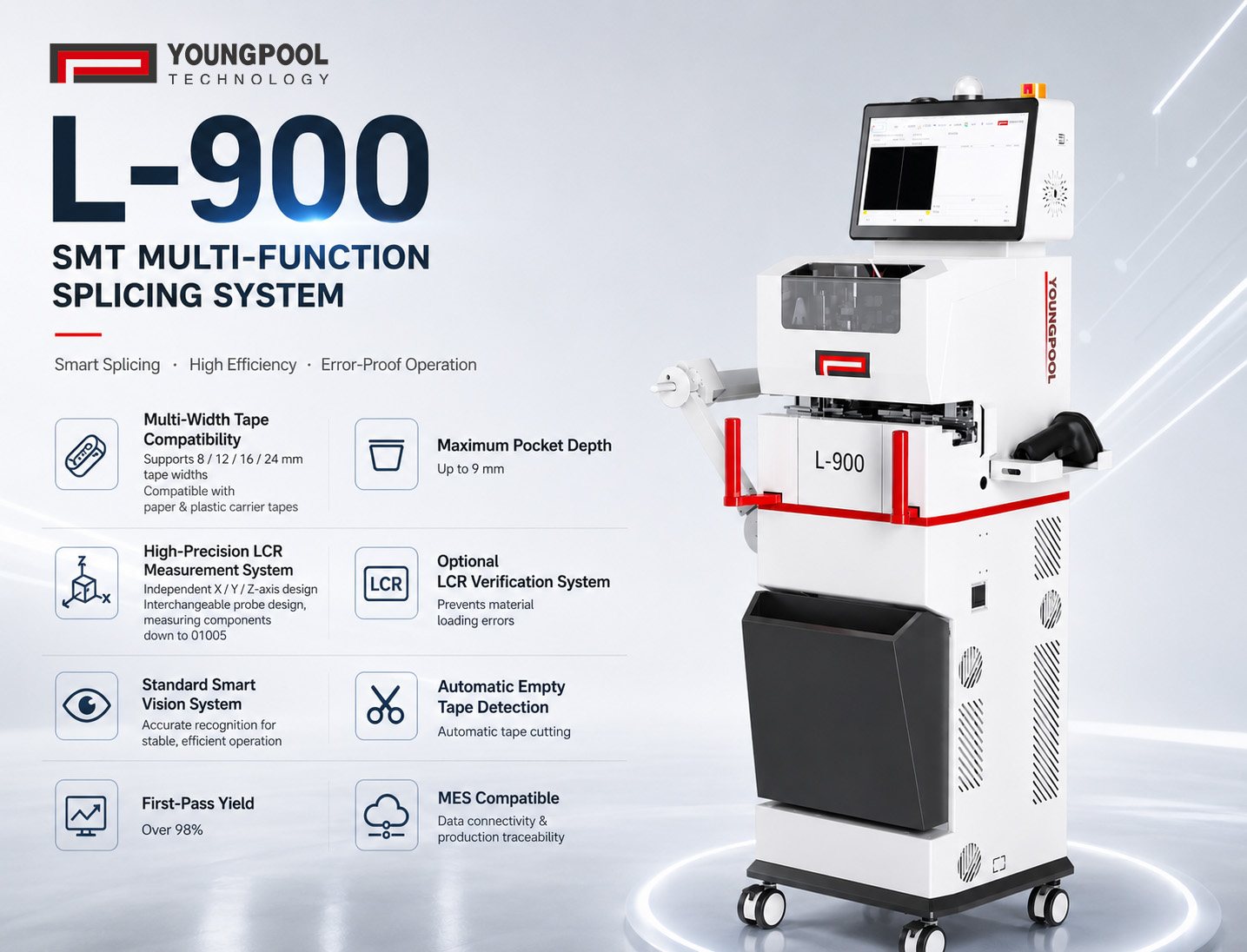
من حيث التوافق، تدعم L-900 أشرطة الحامل بعروض 8 مم و12 مم و16 مم و24 مم، وتتعامل مع أشرطة الحامل الورقية والبلاستيكية المشكلة، وتدعم أعماق جيوب الحامل التي تصل إلى 9 مم، كما تتميز بتصميم سكة توجيه قابلة للضبط لتلبية متطلبات وصل مختلف مواصفات الأشرطة، مما يوسع من مرونة المعدات.
لضمان الجودة ومنع الأخطاء، تأتي الآلة قياسيًا بنظام رؤية ذكي وتوفر نظام التحقق من قيمة مكونات LCR كخيار إضافي. تتميز وحدة الفحص بحركة مستقلة على المحاور X وY وZ ومجسات قابلة للتبديل، مما يتيح فحص مكونات صغيرة تصل إلى حزم 01005. كما يدعم النظام التكامل مع MES، مما يوفر منعًا محسّنًا للأخطاء وتتبعًا للجودة وإدارة رقمية للإنتاج.
لضمان التشغيل المستقر، تدعم L-900 اكتشاف الشريط الفارغ تلقائيًا وقطع الشريط تلقائيًا. كما تتميز بواجهة مستخدم رسومية سهلة الاستخدام وتصميم مريح لتحسين سهولة التشغيل في أرضية المصنع.
هذه القدرات ليست مجرد ميزات إضافية—بل هي حلول عملية تم تطويرها لتحسين وصل الشريط استنادًا إلى الاحتياجات الفعلية لمصنعي SMT.
لا تعني الأتمتة في التصنيع ببساطة جعل عملية واحدة أسرع—بل تعني جعل عملية الإنتاج بأكملها أكثر استقرارًا.
بالنسبة إلى مصنعي SMT، قد يمثل وصل الشريط خطوة واحدة فقط في عملية الإنتاج، لكن تأثيره على تشغيل الخط المتواصل يواصل النمو. ومع ازدياد سرعة دورات الإنتاج، وارتفاع متطلبات دقة المنتجات، وتحول التصنيع الرقمي إلى معيار في الصناعة، يجب أن يتطور وصل الشريط من عملية تعتمد على الخبرة إلى عملية موحدة وذكية وقابلة للتتبع بالكامل.
تمتد القيمة الحقيقية لآلة وصل الشريط الأوتوماتيكية إلى ما هو أبعد بكثير من توفير بضع ثوانٍ. والأهم من ذلك أنها تساعد المصنعين على تقليل التفاوت البشري، وتقليل مخاطر الجودة، وتحسين استقرار الإنتاج، وتوفير أساس أكثر موثوقية لتصنيع الإلكترونيات المستمر والفعال.


 شبكة IPv6 مدعومة